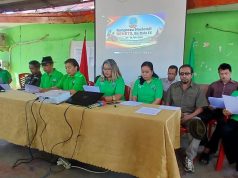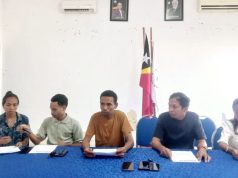
Oxfam in Timor-Leste, together with its partners and key stakeholders, is hosting a programme Wrap-up Event for the HAMRIIK – Hametin Reziliénsia Inklusivu Iha Komunidade (HAMRIIK) Project. The workshop brings together participants to reflect on the achievements and milestones attained throughout the two-year project, recognize the valuable contributions and collaboration of partners, stakeholders, and communities, present the results, lessons learned, and long-term sustainability.
The project was funded by the New Zealand Ministry of Foreign Affairs and Trade (MFAT) through Oxfam Aotearoa for a two-year period from April 2024 to March 2026, with a total value of NZ$ 1.8 million. The project was implemented through a partnership between Oxfam Aotearoa and Oxfam in Timor-Leste (OiTL), working with six local civil society organisations: Oe-cusse-based partners Assosiasaun Futuru Foinsa’e ba Sustentabilidade (A-FFOS), Binibu Faef Nome (BIFANO), Masine Neo Oe-Cusse (MANEO), and Dili-based partners Kdadalak Sulimutuk Institute (KSI), Permacultura Timor-Lorosa’e (PERMATIL) and Ra’es Hadomi Timor Oan (RHTO).
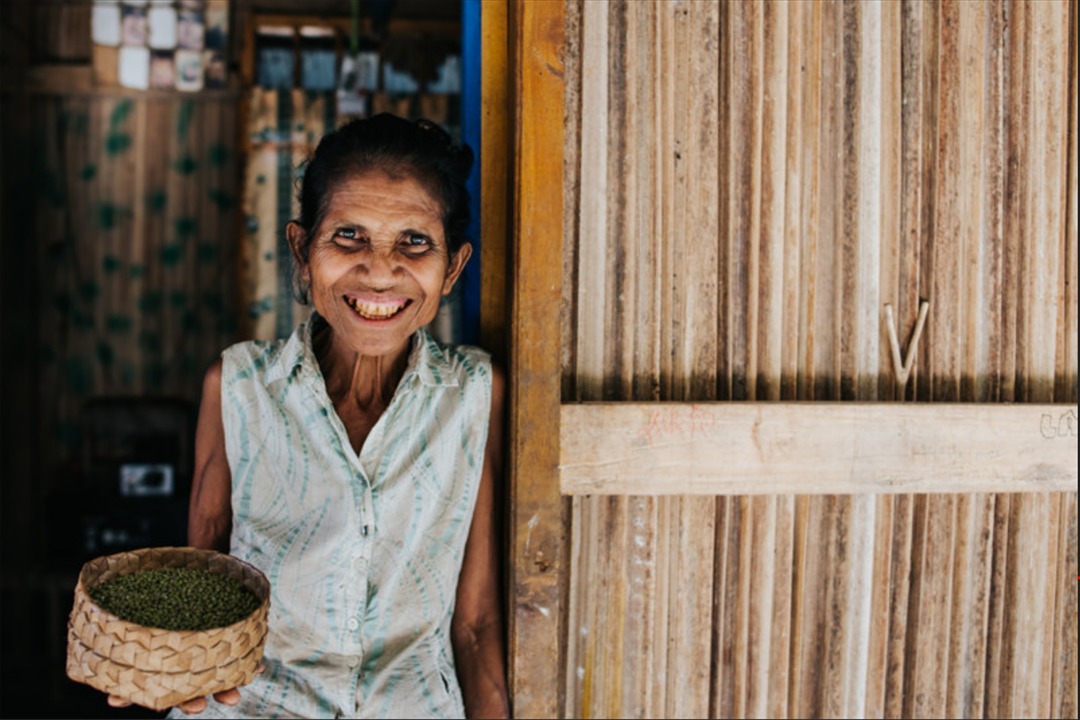
The HAMRIIK project is designed to enhance the resilience of vulnerable rural households in the municipalities of Oé-Cusse and Liquiça in Timor-Leste who face climate change impacts. Gender-transformative and disability-inclusive approaches were integrated into the project, to support and empower those who are disproportionately affected by climate change in Timor-Leste especially women and people living with disabilities. The project aimed to create and promote more equitable climate change adaptation outcomes in communities.
HAMRIIK adopted a three-part approach: First, it supported households by providing the skills, knowledge and material needed to promote climate-smart agriculture (CSA) and improve water security. Second, it worked to strengthen the capacity of local partners organisations to design and deliver gender-transformative and disability inclusive climate change adaptation approaches. Third, the project facilitated learning and evidence generation to elevate the voices of women and people living with disability, promoting their participation in household, community and municipal decision-making processes related to climate change adaptation.
As the project approaches its conclusion, the workshop provides a crucial setting for group reflection and learning. Participants, which include members from the community, government representatives, civil society organisations, development partners, and university students, review important findings, evaluate achievements, and discuss about how to make sure the project’s influence lasts after it is finished.
A clear recommendation to direct future initiatives, a documented lesson learned, and a common knowledge of project accomplishments are anticipated outcomes of the workshop. Additionally, it encourages the development of a transition plan that guarantees effect continuity, especially through improved local ownership and stakeholder collaboration.
“Through HAMRIIK, communities have gained the skills and confidence to lead inclusive climate adaptation. We are proud to see women and people with disabilities driving lasting change in their households, communities, and local decision-making processes. The project’s achievements demonstrate the power of partnership, local leadership, and inclusive approaches in building resilience to climate change. We remain committed to supporting communities and partners to sustain and expand these gains across Timor-Leste”. Pankaj Anand, Country Director, Oxfam in Timor-Leste said.
Oxfam remains committed to working alongside communities and partners in Timor-Leste to advance gender transformative, disability inclusion by promoting their participation in decision-making processes related to climate change adaptation established through the HAMRIIK Project.