write by Pankaj Anand
When I think about change, I picture people coming together, not waiting for solutions to be handed down. In Timor-Leste, a small nation rebuilding after years of struggle, community-led development is proving that real progress starts from the ground up. Oxfam’s work in Timor-Leste shows how empowering local voices can tackle inequality and disasters, offering lessons for the world.
Timor-Leste faces tough challenges. Nearly 70% of its people live in rural areas, relying on small-scale farming. Poverty is widespread, and climate change brings droughts, floods, and landslides that hit the poorest hardest. Women and people with disabilities often face exclusion, with limited access to land, education, or decision-making. Yet, Oxfam’s approach, rooted in localization, is showing how communities can lead their own way forward.
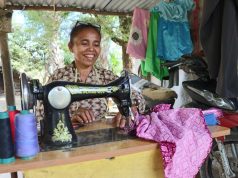
Localization means trusting local people to drive change. Instead of outsiders imposing plans, Oxfam partners with local organizations like Rede ba Rai (Land Network) to strengthen women’s land rights. Women, who often farm but don’t own land, are now gaining a voice in decisions, challenging deep-rooted inequalities. I’m inspired by stories like Josefa’s, who, through Oxfam’s Savings for Change groups, learned to save, invest, and advocate for herself. These groups don’t just build wallets; they build confidence and community.
Disasters are another test. Timor-Leste is the seventh most disaster-prone country globally, and climate change makes it worse. Oxfam collaborates with local partners to create village-level disaster plans. In one village, the Suco Disaster Management Committee, supported by Oxfam, mapped flood risks and trained locals to respond. When floods hit, the community didn’t wait—they acted, saving lives and homes. This shows what happens when people aren’t just recipients of aid but leaders in their own resilience.
Timor-Leste’s upcoming ASEAN (The Association of Southeast Asian Nations) membership, set for October 2025, amplifies this approach. Joining ASEAN opens doors to regional cooperation, including climate finance through initiatives like the Green Climate Fund. In 2019, Timor-Leste secured $22 million to build climate-resilient infrastructure, showing how global partnerships can support local action. By aligning with ASEAN’s focus on sustainability, communities can access resources to strengthen climate justice, ensuring funds reach those most affected by environmental challenges, like farmers and coastal villages facing rising seas.
Why does this work? First, local people know their needs best. They understand their land, culture, and challenges in ways outsiders can’t. Oxfam’s role is to amplify these voices, not replace them. Second, community-led projects last. When locals own the process, they’re invested in keeping it going. In Timor-Leste, Oxfam’s work with disability groups ensures that people with disabilities help shape budgets and policies. This isn’t charity—it’s justice, giving everyone a seat at the table.
There’s a personal side to this. Growing up, I saw how top-down solutions often missed the mark in my own community. A shiny new project would arrive, but without local input, it fizzled out. Timor-Leste’s story reminds me that change sticks when it’s built by those it serves. Oxfam’s approach isn’t perfect, but it’s a model of humility—stepping back to let communities’ lead.
This matters beyond Timor-Leste. Inequality and disasters are global problems. In 2024, billionaire wealth grew by $2 trillion, while millions struggle. Community-led development offers a path to balance this. It’s not about giving up expertise but about blending it with local wisdom. Donors and governments must shift, funding local groups directly and trusting their priorities. This means flexible funding, not rigid plans, and listening, not dictating. With ASEAN’s support, Timor-Leste can lead on climate justice, ensuring communities have the resources to adapt and thrive.
Timor-Leste’s lessons are clear: empower communities, and they’ll build a future that works for everyone. Oxfam’s partnerships show that when people lead, they don’t just survive—they thrive. Let’s take this model global, supporting local leaders to tackle inequality and disasters head-on. The world doesn’t need more saviours; it needs more listeners.
The author is the Country Director of Oxfam in Timor-Leste and can be contacted on pankaja@oxfam.org.au