Author: Lucio Savio
Editor: Aderito do Rosario da Cunha Mambares
Timor-Leste faces the catastrophe of the climate crisis. Every year, communities experience long dry seasons, untimely rains, floods, rising sea levels, and landslides. These impacts are not abstract statistics; they are real situations that further complicate the lives of rural communities who depend on subsistence agriculture to sustain their livelihoods. Many water sources dry up, which directly affects food supply. Although Timor-Leste’s carbon emissions are low, the country suffers disproportionately. This is a clear case of climate injustice.
The Paris Agreement established climate financing mechanisms in response to this crisis. Wealthy “emitting” countries that have historically contributed the most to global emissions are committed to supporting vulnerable countries in adapting to, mitigating, and recovering from climate impacts. For Least Developed Countries (LDCs) and Small Island Developing States (SIDS), of which Timor-Leste is one, climate finance is not optional but essential (Paris Agreement, Article 9). It is critical for the survival and resilience of communities—especially women—affected by climate change in rural areas.
However, an important question remains: Does climate finance truly reach the communities particularly women and vulnerable groups who need it most?
Oxfam’s report, Climate Justice for Women in Timor-Leste: Tracking Climate Finance to Build Resilience, raises serious concerns. While the state accesses climate-related funds, only a small percentage directly support communities, particularly in ways that address gender inequality. Women’s organizations receive an even smaller share of funding. This gap is significant because climate change does not affect everyone equally.
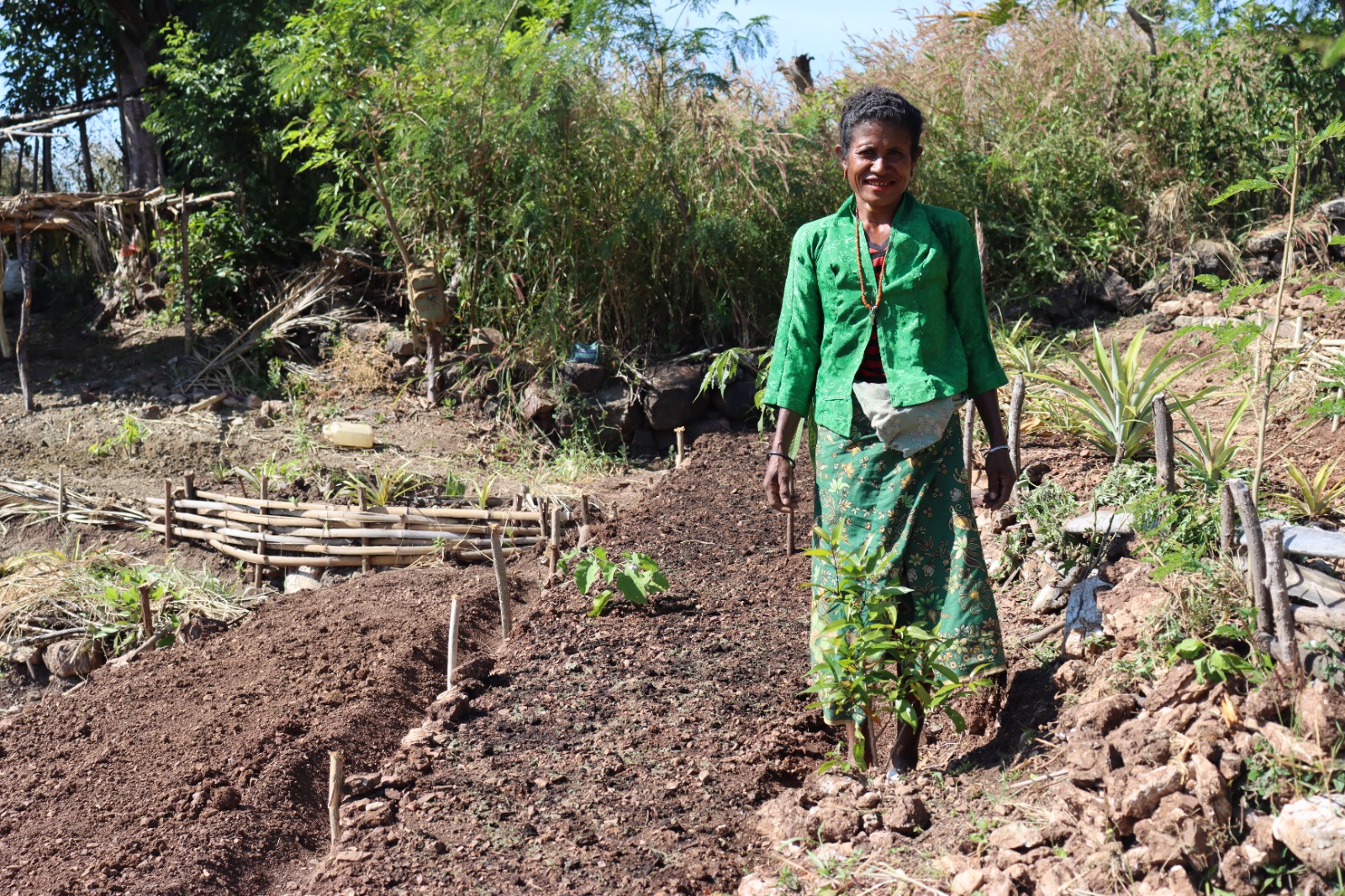
In rural areas, women play a central role in unpaid care work, food production, water collection, and family management. During longer dry seasons and periods of reduced rainfall, women carry the heavy burden of feeding households, managing scarce resources, and rebuilding after disasters. Reflecting on Cyclone Seroja in 2021, many families lost their homes and productive land. Women reported increased unpaid work, loss of income, and limited access to recovery support.
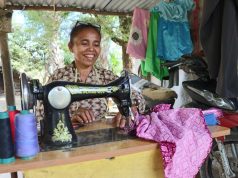
Yet women are not only victims—they are leaders in climate resilience. Across municipalities, women organize savings groups, manage small-scale agricultural projects, promote sustainable farming techniques, and strengthen community disaster preparedness. Their knowledge of local ecosystems and food systems is essential for adaptation. Still, they receive minimal direct funding.
This reflects a major form of structural injustice. Climate finance systems often prioritize large-scale, centralized projects, while community-led solutions struggle to access funds. Local organizations face complicated application procedures, limited information, and a lack of technical support. As a result, funding often remains at the national or international level, far removed from the daily realities of climate-affected communities.
Transparency and accountability remain major challenges. Communities frequently do not know how much funding has been approved or allocated, or who has benefited. Policies, plans, and financial information are not always shared in accessible formats or local languages, limiting participation and accountability. Without clear monitoring and reporting systems, it is difficult to ensure that funds are responding to communities’ real needs and rights.
Improving transparency and accountability in climate finance will strengthen the resilience of women and persons with disabilities. In doing so, climate finance can fulfill its true purpose: building a fair, resilient, and sustainable future for all.
Ultimately, climate finance should not be measured only by the amount pledged or accessed, but by its real impact on the ground. It should be measured by whether a woman farmer can protect her crops during prolonged drought, whether a family can rebuild after a flood, and whether local communities have the power and resources to shape their own resilient future. Climate justice means moving from promises to action, from centralized control to community leadership, and from symbolic commitments to real change on the ground.