Author Zeca Nunes, Oxfam in Timor-Leste
The history of land in Timor-Leste has evolved from being a source of survival to serving broader social and economic functions. Throughout this transformation, decisions regarding land have predominantly been made by men, reflecting deeply entrenched patriarchal norms. This historical narrative reinforces social beliefs that men inherently hold the right to land ownership.
Land in Timor-Leste is more than a resource—it is the foundation of identity, culture, and resilience. With over 90% of the population engaged in agricultural activities, land serves as the primary source of livelihood and the most vital social safety net, particularly in rural communities. Approximately 97% of rural land is governed by customary norms and practices, reflecting deep-rooted traditions that shape land access and use.
Despite the centrality of land to life in Timor-Leste, women remain disproportionately excluded from land ownership and decision-making. Less than 20% of women register land under their own names, and patriarchal norms continue to restrict their access and control. Even in municipalities with matrilineal systems, patriarchal influence remains strong.
Timor-Leste’s legal framework provides a solid foundation for gender equality in land rights. The Constitution guarantees equal property rights for all citizens, and land laws reinforce this principle. However, implementation remains inconsistent. Women often lack access to legal information, are excluded from consultation processes, and face barriers in navigating land registration systems.
Research by Rede ba Rai and TOMAK (2020) highlights that, while communities are open to promoting women’s land access, there is a significant gap in awareness and understanding of land laws among both men and women. This lack of knowledge undermines the effectiveness of legal protections and perpetuates gender disparities in land tenure.
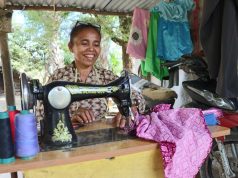
Amid these challenges, there are inspiring examples of women taking bold steps to defend their land rights. In Aileu, Maria Ilibere in Hera, Dilva, and in Metinaro, Fernanda, among others, have emerged as leaders within their communities. They mobilize their peers, especially other women, to seek justice and reclaim their rights to land.
These women protect their land not just as mothers or housewives, but as guardians of their families’ space and resources. Their leadership and resistance demonstrate the power of grassroots mobilization and highlight the critical role women play in defending land rights.
Yet, social norms in Timor-Leste continue to favor men in land ownership and control, despite constitutional guarantees of equality. To dismantle these barriers, a collective shift in mindset is needed—from households to national institutions.
Protecting women’s land rights is not only a matter of justice; it is an investment in the future. It strengthens communities, promotes equity, and ensures that future generations inherit a more just and sustainable world. This effort is not solely the responsibility of women—it requires the active support of men and everyone who envisions a just, equitable, and inclusive society.
Women’s land rights in Timor-Leste are not merely a gender issue; they are a human rights imperative. Land is central to life, and denying women access undermines their dignity, security, and potential.
The future of land justice in Timor-Leste depends on inclusive leadership, informed communities, and unwavering advocacy. As women continue to rise, their stories illuminate a path toward equity and sustainability. Their fight is not just for land—it is for life.